
Community
Wisconsin election results: Who won governor's race?
By Katherine Langford
Advertisement · Why this ad?
Katherine oversees editorial operations across all six brands. Before joining The Meridan Group, she spent 14 years at the Minneapolis Star Tribune, where she led the metro desk through its digital transformation. She holds a Master's in Journalism from Northwestern's Medill School.
More from Katherine →
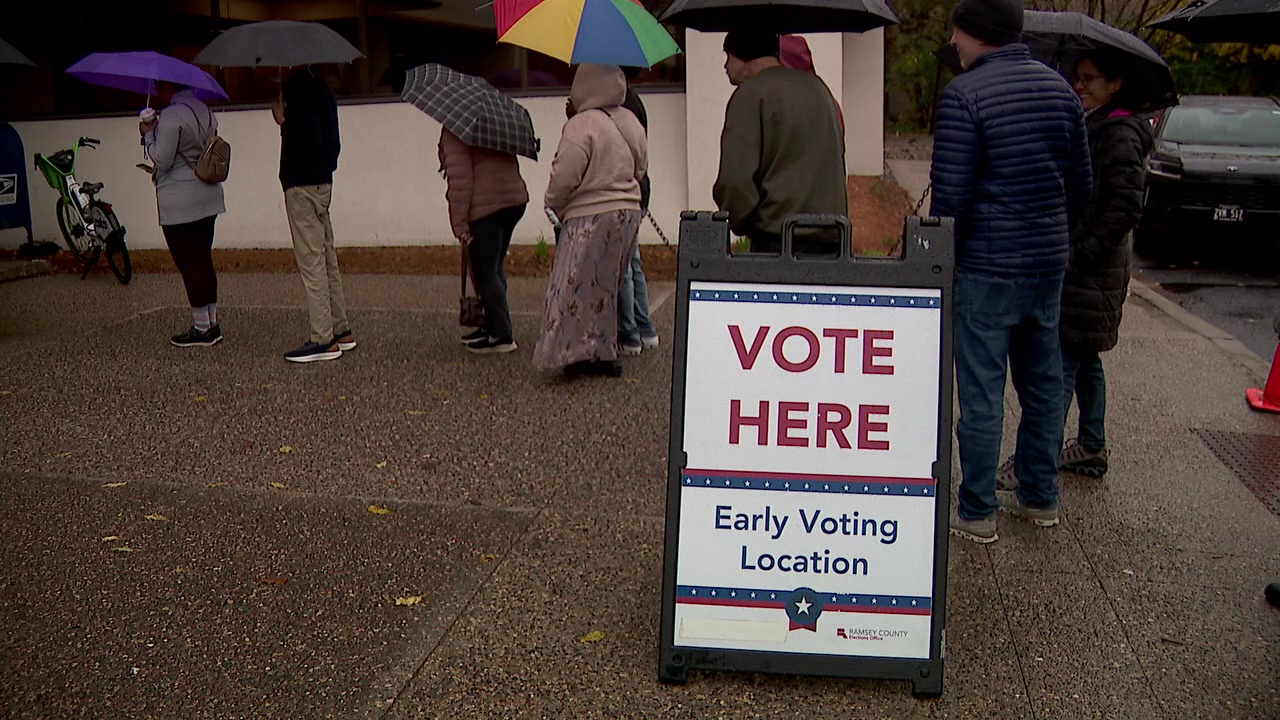
As the sun rose over Minneapolis on Wednesday morning, the air was thick with anticipation. Voters from all corners of Minnesota had cast their ballots the previous day, and the results began to trickle in, revealing the outcomes of crucial races that would shape the state’s political landscape for years to come. Among the most notable was the election of Senator Amy Klobuchar as the first female governor in the state's history, a historic moment celebrated by many in the community.
On Tuesday, Minnesota voters participated in the 2026 general election, making decisions not only for the governor's office but also for Congress, the state Legislature, and various local offices. By Wednesday morning, most races had been called, with Klobuchar securing a decisive victory against Republican challenger Lisa Demuth. Klobuchar garnered 55.5% of the votes, while Demuth received 42.6%. This election marked a significant milestone as Klobuchar transitioned from the Senate to the governor's mansion, succeeding Governor Tim Walz, who chose not to seek a third term.
In the closely watched race for Minnesota's 1st Congressional District, Democrat Jake Johnson held a narrow lead over Republican Brad Finstad, with just a 324-vote margin separating the two candidates. This district, which encompasses nearly all of southern Minnesota, is known for its diverse communities and agricultural roots.
The 2026 election was not only pivotal for the governorship but also for various other offices. In the race for the open U.S. Senate seat, Lt. Gov. Peggy Flanagan defeated Michele Tafoya with 53.7% of the votes. This victory solidified Flanagan's position as a key player in Minnesota politics, further enhancing the representation of women in leadership roles.
Attorney General Keith Ellison also secured reelection, defeating Republican challenger Ron Schutz with 54.3% of the votes. This marks Ellison's third term in office, where he has focused on consumer protection and civil rights issues.
The Minnesota State House of Representatives saw all 134 seats contested, with the current deadlock at 67 Republicans and 67 DFL representatives. This election cycle is particularly significant as over 20 representatives opted not to seek reelection, including Demuth, who shifted her focus to the gubernatorial race. The outcome of this election could tip the balance of power in the House, with either party needing just one seat to gain majority control.
Meanwhile, all 67 Minnesota Senate seats were also on the ballot, with the DFL currently holding a slim majority with 34 seats to the GOP's 33. Democrats are tasked with defending their seats to maintain their control, while Republicans aim to flip the chamber by gaining just one additional seat.
The implications of these election results extend beyond the political sphere, impacting families and communities throughout Minnesota. The election of Klobuchar as governor is viewed as a beacon of hope for many, particularly among women and young girls aspiring to leadership roles. Klobuchar's commitment to education, healthcare, and economic development resonates with families striving for a better future.
In the congressional races, the outcomes reflect the diverse needs of Minnesota residents. For instance, Johnson's narrow lead in the 1st District highlights the importance of agricultural policies and rural development, critical issues for families in southern Minnesota. The ongoing uncertainty in this race underscores the significance of every vote, especially in a state where community ties and shared values play a vital role in shaping political discourse.
Local leaders and residents expressed their views on the election results. “This is a historic moment for Minnesota,” said Maria Gonzalez, a community activist from Rochester. “Klobuchar’s win shows that women can lead and should be in positions of power.” Many residents in her community echoed similar sentiments, feeling a renewed hope for representation in government.
In Winona, farmer Tom Anderson noted the importance of the congressional race. “Jake Johnson understands our struggles here in the 1st District. We need someone who will advocate for sustainable farming practices and address the challenges posed by climate change,” he said, reflecting the agricultural community's priorities.
As the dust settles on the 2026 election, attention now turns to the future. Klobuchar’s administration is expected to prioritize initiatives that strengthen families and communities, focusing on education reform, healthcare access, and economic growth. The governor’s office has a unique opportunity to address the challenges faced by Minnesota families, fostering an environment where strong marriages and intact families can thrive.
Moreover, the outcomes in the state legislature will dictate the legislative agenda for the next few years. With critical issues such as public safety, education funding, and healthcare reform on the table, the collaboration between the governor's office and the legislature will be essential in driving meaningful change.
The community's engagement does not end with the election. Residents are encouraged to stay informed and involved in local governance, ensuring their voices are heard as policies are developed. Organizations like the Minnesota Governor's Office and local chambers of commerce provide platforms for citizens to engage with their elected officials and advocate for the issues that matter most.
In the coming weeks, Klobuchar and her team are expected to host town hall meetings across the state to discuss her vision and gather input from constituents. This outreach will be crucial for ensuring that her administration is responsive to the needs of all Minnesotans. Additionally, with a divided state legislature, bipartisan cooperation will be necessary to navigate the challenges ahead.
As Klobuchar prepares for her new role, she has expressed a commitment to listening to the diverse voices of Minnesota. Her administration plans to focus on building coalitions across party lines to address the pressing issues facing the state, such as housing affordability, mental health resources, and the ongoing challenges of the COVID-19 pandemic recovery.
In conclusion, the 2026 general election results signify a transformative moment for Minnesota, with the election of Klobuchar as governor and the potential shifts in the state legislature. As the state moves forward, the emphasis on strong, committed families and community engagement will be paramount in shaping a brighter future for all Minnesotans. The next few years will be critical in determining how effectively these new leaders can translate their campaign promises into tangible policies that benefit the citizens they serve.
By Katherine Langford
By Katherine Langford

By Katherine Langford

By Katherine Langford